
- Why Ports Must Evolve for Modern Maritime Trade
- Understanding Next-Generation Ships and Their Port Requirements
- What Is Capital Dredging and How Does It Differ from Maintenance Dredging
- Core Components of Port Expansion Projects
- Engineering Challenges in Capital Dredging for Large Harbors
- Environmental Considerations and Regulatory Compliance
- Advanced Dredging Technologies Driving Modern Port Expansion
- Economic Impact of Port Expansion and Capital Dredging
- Long-Term Performance and Maintenance Planning After Expansion
- The Role of Reliable Materials and Infrastructure in Port Expansion
- Building Harbors Ready for the Future of Shipping
Why Ports Must Evolve for Modern Maritime Trade
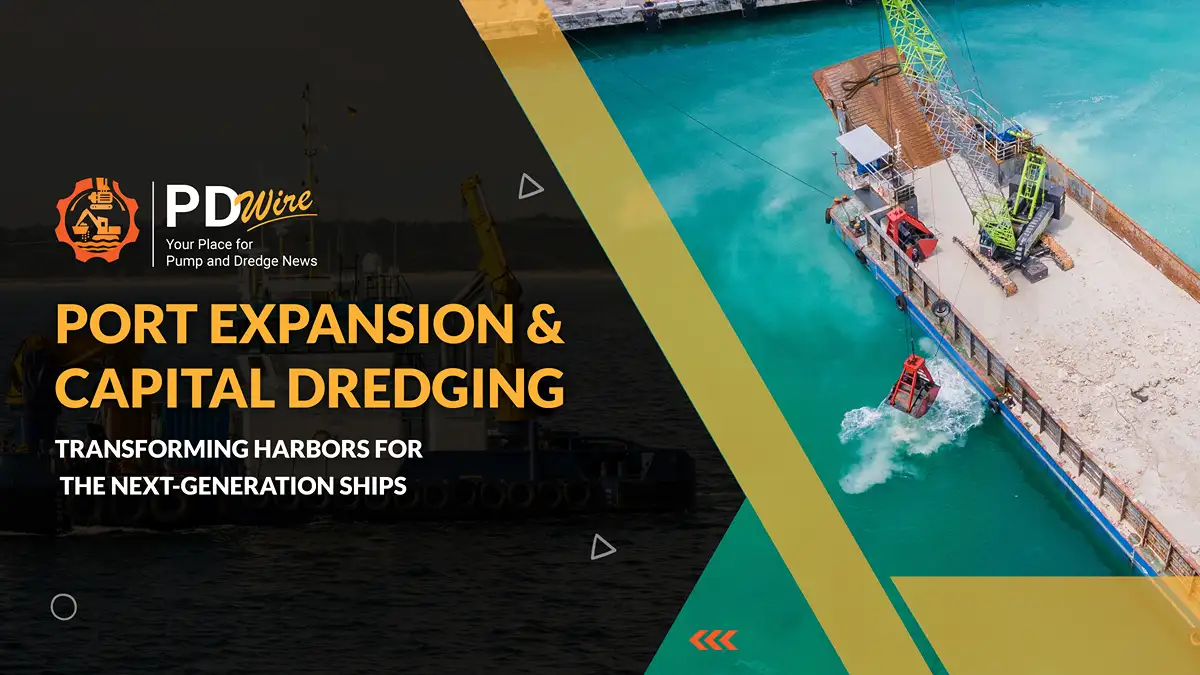
Global maritime trade has shifted toward fewer but significantly larger vessels. Container ships, energy carriers, and bulk vessels now operate with draft depths and cargo capacities that exceed those for which ports were originally designed. Many existing harbors are constrained by physical limits that restrict vessel access, berth availability, and overall throughput.
To address these constraints, ports increasingly rely on port expansion projects supported by capital dredging. These projects modify seabed depths, channel widths, and berth areas to meet current and future vessel requirements. Without capital dredging, ports risk capacity bottlenecks, tidal restrictions, and loss of competitiveness within global shipping networks.
Harbor deepening for large ships is no longer a future consideration. It is a present operational requirement. Ports that cannot accommodate modern vessel dimensions face longer turnaround times, reduced cargo volumes, and limited service options. This article explains how capital dredging enables port expansion projects, outlines the technical and operational challenges involved, and clarifies why deepening harbors for large ships is essential to long-term port performance.
Understanding Next-Generation Ships and Their Port Requirements
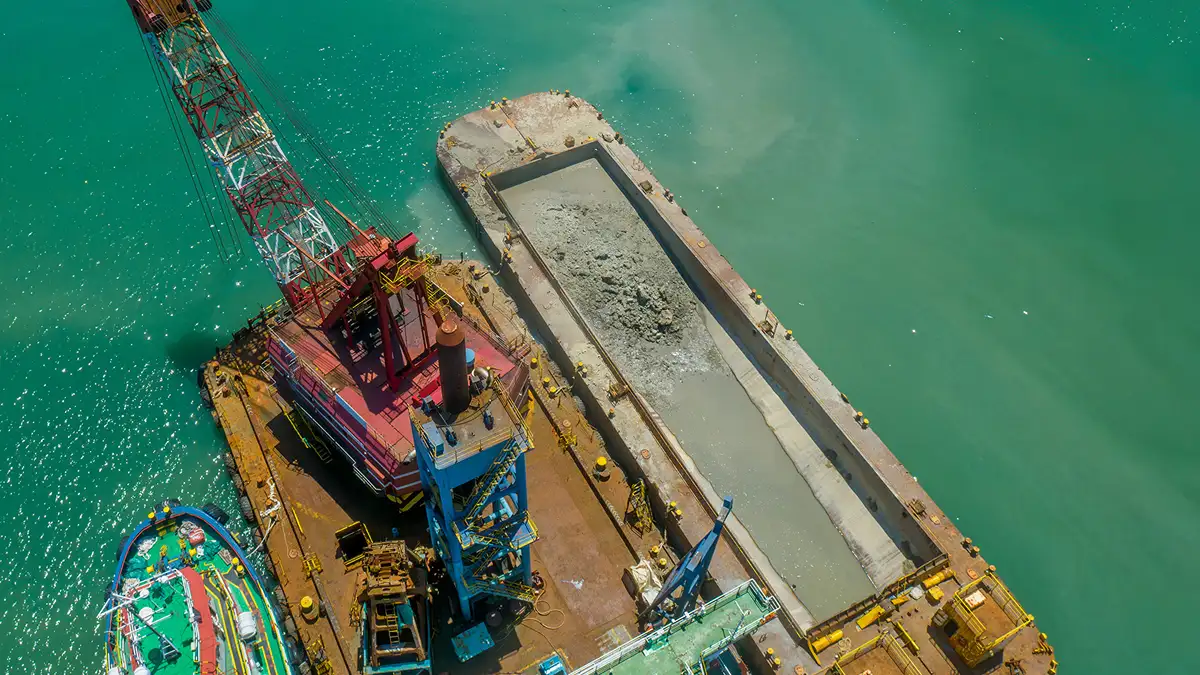
Modern commercial vessels are designed to maximize cargo capacity and reduce cost per unit moved. This has resulted in a steady increase in vessel length, beam, and draft across multiple ship classes. Ultra-Large Container Vessels now exceed 20,000 TEUs, while LNG carriers, bulk carriers, and cruise ships operate with deeper drafts and higher displacement than previous generations.
These vessels impose clear physical requirements on ports. Access channels must be dredged deeper to support increased draft under all operating conditions. Channel width must be sufficient to allow safe two-way traffic or assisted navigation. Turning basins require expansion to accommodate longer hulls and reduced maneuverability at low speeds.
Berth areas must also be redesigned. Larger ships apply higher loads to quay structures and seabed foundations, requiring deeper berth pockets and improved load distribution. In many ports, existing berth depths limit vessels’ ability to operate at full capacity, leading to tidal dependency and reduced efficiency.
Incremental upgrades are no longer effective. Minor dredging campaigns or short berth extensions often fail to keep pace with vessel growth. As a result, ports increasingly implement capital dredging as part of integrated port expansion projects. Harbor deepening for large ships must be planned at a system level, covering channels, basins, and berths together, to ensure safe access and long-term operational reliability.
What Is Capital Dredging and How Does It Differ from Maintenance Dredging
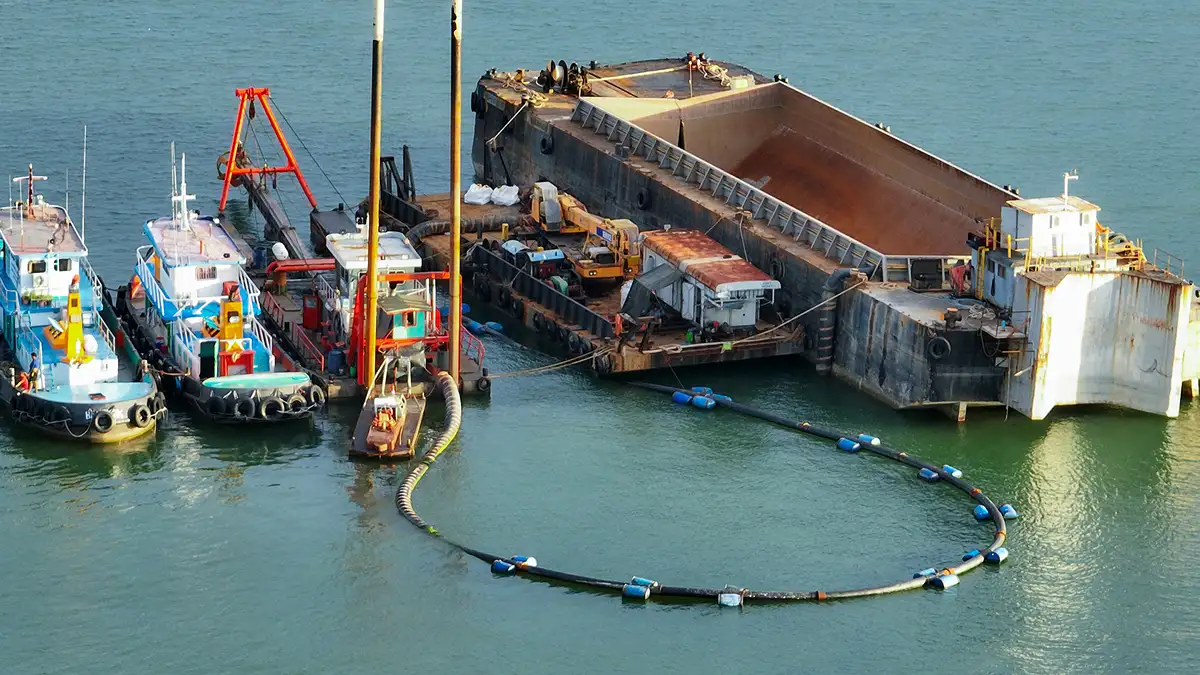
Capital dredging refers to dredging carried out to create new depths, widths, or port features that did not previously exist. It is undertaken to support new vessel classes, new terminals, or long-term port expansion plans. The seabed is permanently modified to meet updated design requirements.
Typical capital dredging works include deepening navigation channels, widening access routes, enlarging turning basins, and preparing berth pockets for deeper drafts. These projects are typically large-scale and executed as one-time or infrequent investments.
Maintenance dredging has a different role. It removes sediment that accumulates over time in existing channels and basins to maintain designed depths. It does not change port geometry and is performed on a recurring basis.
In port expansion projects, capital dredging provides the foundation for all other marine and civil works. Without it, berth construction, quay upgrades, and terminal expansion cannot support larger vessels. Harbor deepening for large ships depends on capital dredging to eliminate tidal restrictions and improve vessel loading efficiency.
Ports that align dredging depths with long-term vessel trends rather than current traffic volumes reduce the risk of early capacity constraints. This approach ensures that expansion investments remain effective throughout the port’s design life.
Core Components of Port Expansion Projects
Most port expansion projects begin with navigation channel upgrades. Channel deepening allows vessels with larger drafts to access the port without tidal restrictions. Channel widening improves safety, reduces traffic delays, and supports assisted navigation where required.
Turning basins and approach areas have been expanded to accommodate increased vessel length and limited maneuverability. Larger ships require more space to turn safely, particularly in confined or high-traffic ports. An insufficient basin size can restrict vessel access even when channel depth is adequate.
Berth deepening is required to allow vessels to remain fully loaded while alongside. Shallow berth pockets force partial loading or extended waiting times. Quay structures may also require reinforcement to manage higher berthing forces and vertical loads from larger vessels.
Land reclamation is often integrated into expansion works. Dredged material can be reused to create new terminal areas, storage yards, or access roads. This reduces material disposal costs and increases usable port area.
Dredging must be closely coordinated with marine construction and port operations. Poor sequencing can lead to rework, operational disruption, or navigational risk. When properly planned, dredging enables deepening of harbors for large ships while maintaining safe, continuous port operations.
Engineering Challenges in Capital Dredging for Large Harbors
Large harbor capital dredging projects face variable and often unpredictable seabed conditions. A single project area may contain soft silt, compacted clay, sand layers, and rock. Each material type requires different dredging methods, equipment selection, and production planning.
Hard materials such as dense clay or rock significantly increase project complexity. These conditions may require cutter suction dredgers, mechanical excavation, or controlled blasting. In some ports, contaminated sediments add further constraints, requiring segregation, treatment, or regulated disposal.
Most capital dredging work is performed in active ports. Vessel traffic must continue during construction, limiting available working windows and dredger positioning. Navigation safety plans, traffic coordination, and exclusion zones are required to prevent operational conflicts.
Environmental forces also affect execution. Tidal range, current velocity, and seasonal weather conditions influence production rates and accuracy. Deepening channels to tight tolerances is critical. Over-dredging can weaken seabed support for structures, while under-dredging can restrict vessel access.
For harbor deepening for large ships, depth accuracy directly impacts allowable draft and loading efficiency. This makes experienced operators, precise positioning systems, and strong quality control essential for successful port expansion projects.
Environmental Considerations and Regulatory Compliance
Environmental compliance is a required component of modern capital dredging projects. Before dredging begins, environmental impact assessments are conducted to evaluate potential effects on water quality, marine habitats, and sediment movement. These assessments define project limits, mitigation measures, and monitoring requirements.
Sediment management is a primary concern. Dredged material may be reused for land reclamation, placed in approved disposal sites, or treated if contaminated. Handling methods must comply with local and national regulations governing marine disposal and reuse.
Turbidity and water quality are monitored throughout dredging operations. Monitoring programs track suspended sediments, dissolved oxygen, and other parameters to ensure regulatory thresholds are not exceeded. If limits are approached, dredging methods or production rates may need to be adjusted.
Regulatory approvals often involve multiple agencies, including environmental authorities, maritime regulators, and port operators. Each agency may impose specific conditions related to timing, equipment use, and reporting.
For port expansion projects, regulatory compliance affects both schedule and cost. Early coordination with regulators reduces approval delays and operational risk. Responsible harbor deepening for large ships ensures port development proceeds without long-term environmental or legal constraints.
Advanced Dredging Technologies Driving Modern Port Expansion
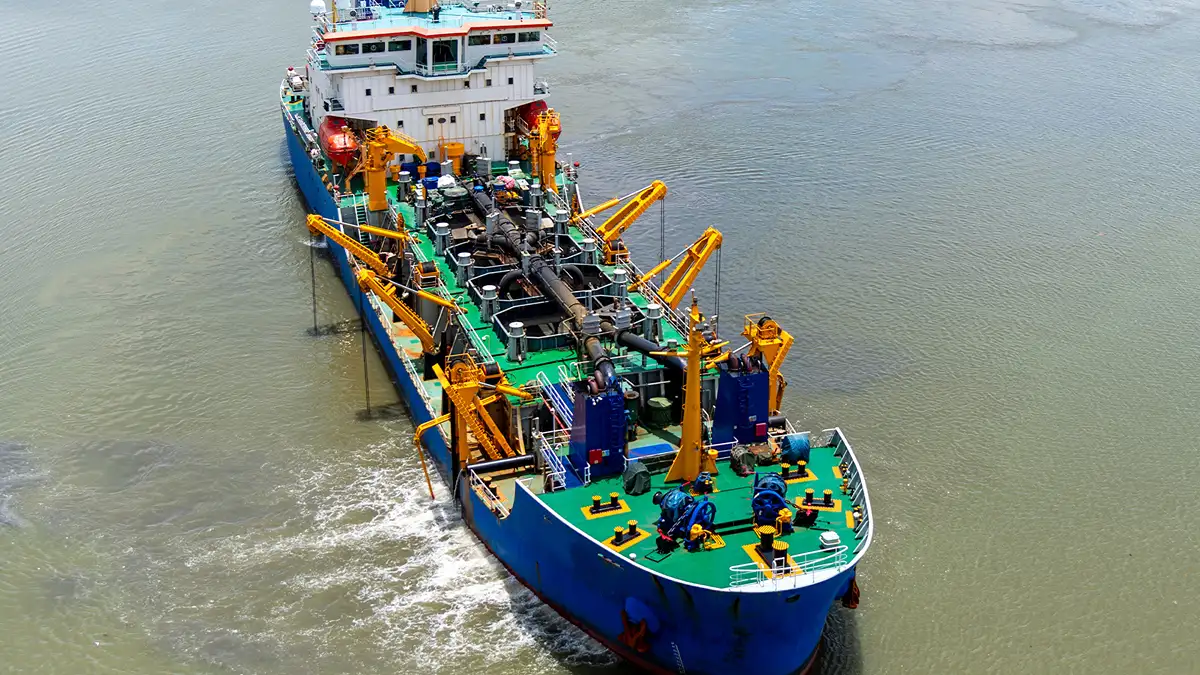
Modern dredging relies on equipment and systems designed for accuracy, efficiency, and control. Cutter suction dredgers are commonly used for compacted soils and clay. Trailing suction hopper dredgers are suited for large-volume dredging in open channels. Backhoe and grab dredgers are used in confined areas and near existing structures.
Positioning and depth-control systems enable dredging to be carried out within tight tolerances. GPS-based guidance, real-time depth monitoring, and automated dredge controls reduce over-dredging and rework. These systems are critical when deepening channels and berth pockets in active ports.
Production monitoring tools track dredging rates, equipment performance, and material movement. This data supports schedule control and helps identify operational constraints early. Integrated monitoring also supports environmental compliance by tracking turbidity and operational limits.
Material handling systems have also improved. Pumping pipelines, hopper transport, and controlled placement methods reduce cycle times and improve the reuse of dredged material for land reclamation. In large port expansion projects, this improves overall efficiency and minimizes disruption.
As harbor deepening for large ships becomes more demanding, advanced dredging technologies enable dredging to meet design depth, safety, and regulatory requirements with greater reliability.
Economic Impact of Port Expansion and Capital Dredging
Port expansion projects supported by capital dredging directly increase a port’s handling capacity. Deeper channels and berths allow larger vessels to call without load restrictions, increasing cargo volume per vessel call.
Harbor deepening for large ships reduces tidal dependency. Ships can enter and depart on schedule rather than waiting for high tide, improving berth utilization and reducing turnaround time. This improves service reliability for shipping lines.
Larger vessel capacity lowers per-unit transport costs by enabling economies of scale. Ports that can accommodate these vessels are more attractive to mainline shipping services and regional hub operations. This strengthens the port’s position within global trade routes.
The economic benefits extend beyond port boundaries. Expanded ports support growth in logistics, warehousing, manufacturing, and distribution. Construction and long-term port operations also create direct and indirect employment.
When planned against long-term vessel trends, capital dredging delivers sustained economic value. For ports, the investment supports competitiveness, capacity growth, and long-term trade resilience rather than short-term volume gains.
Long-Term Performance and Maintenance Planning After Expansion
Completion of port expansion projects does not eliminate the need for ongoing planning. Long-term performance depends on how well dredged channels and basins are maintained after construction.
Sedimentation continues even after dredging is complete. Ports must implement maintenance dredging programs to preserve design depths and ensure safe navigation. Monitoring sediment movement helps identify high-accumulation areas and plan targeted interventions.
Design decisions made during harbor deepening for large ships affect future maintenance efforts. Channel alignment, side slopes, and basin geometry influence how quickly sediment returns. Poor design increases maintenance frequency and operating costs.
Ports must also account for long-term environmental and climate factors. Sea-level rise, increased storm activity, and changing current patterns affect sedimentation and navigational safety. Designing dredged profiles with these factors in mind improves long-term reliability.
Effective maintenance planning protects the value of capital dredging investments and ensures expanded port infrastructure continues to meet operational requirements over its full service life.
The Role of Reliable Materials and Infrastructure in Port Expansion
Large-scale port expansion projects rely on durable materials and reliable marine infrastructure. Equipment failure or material degradation can cause delays, safety risks, and increased maintenance costs during construction and long-term operations.
Capital dredging operations depend on high-strength components, including wire rope, lifting gear, pipelines, and handling systems. These components must withstand continuous load cycles, abrasion, and corrosive marine environments. Material reliability directly affects productivity and safety.
Permanent port infrastructure must also support larger vessels. Mooring systems, fender systems, and quay hardware experience higher loads as ship displacement increases. Using marine-grade materials reduces the risk of failure and extends service life.
For deepening the harbor to accommodate large ships, infrastructure reliability is critical. Failure of supporting systems can limit berth availability even when the dredging depth is sufficient. Selecting proven materials and systems supports consistent port operations and reduces unplanned downtime throughout the port’s life.
Building Harbors Ready for the Future of Shipping
Vessel sizes will continue to increase as shipping lines pursue higher efficiency and lower transport costs. Ports that do not adapt will face access limitations, congestion, and reduced competitiveness.
Capital dredging enables port expansion projects by creating the depths, widths, and layouts required for modern vessels. Harbor deepening for large ships removes tidal constraints, improves operational reliability, and supports higher cargo volumes per vessel call.
Successful projects balance engineering accuracy, environmental compliance, and long-term performance planning. When aligned with future vessel trends, capital dredging delivers durable capacity improvements rather than short-term fixes.
Ports that invest in well-planned expansion today position themselves to support global trade demand for decades to come. Without capital dredging, future growth is constrained. With it, ports remain functional, competitive, and operationally relevant.